
Are Steam Showers the New Bath? UK Guide (2026)

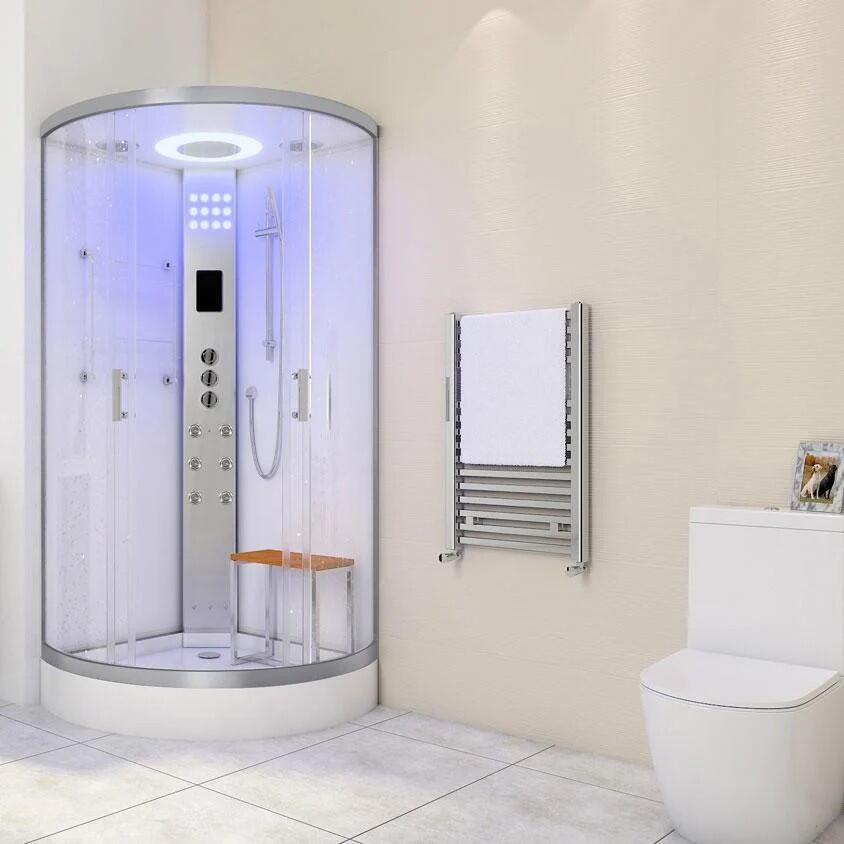 There’s a moment most homeowners recognise.
It’s early, the house is quiet for about four minutes, and you step into a bathroom that technically works — but doesn’t feel like a sanctuary.
For decades, the bath was the symbol of relaxation. Now, in 2026, many UK homeowners are asking a new question: are steam showers becoming the new bath?
“Sometimes the most luxurious room in the house is simply the one with the lock on the door.”
The bathroom shift happening in 2026
Bathrooms are no longer just functional. They’re becoming private wellness spaces — especially in UK homes where space is precious and routines are busy.
That’s why steam showers are moving from “nice idea” to “genuinely practical upgrade”.
- What this means for you:
- More comfort without needing more square footage
- A spa feel that fits real British bathroom layouts
- Upgrades that support daily routines, not just weekends
What a steam shower actually changes
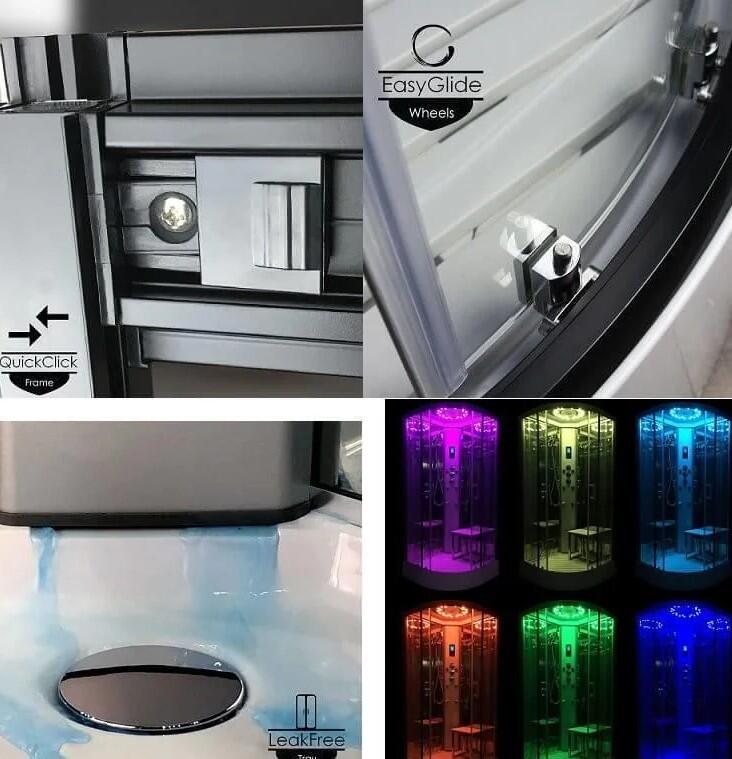 A steam shower isn’t just a shower with mist. It’s a sealed enclosure designed to deliver enveloping steam — often with seating, lighting, and controllable settings.
The real difference is how easily it fits into everyday life: shorter sessions, more consistent use, and that “hotel calm” feeling on a normal Tuesday.
- What this means for you:
- Relaxation that doesn’t require a full evening
- A warmer, more immersive shower experience
- A routine upgrade you’ll actually use
Are baths really on their way out?
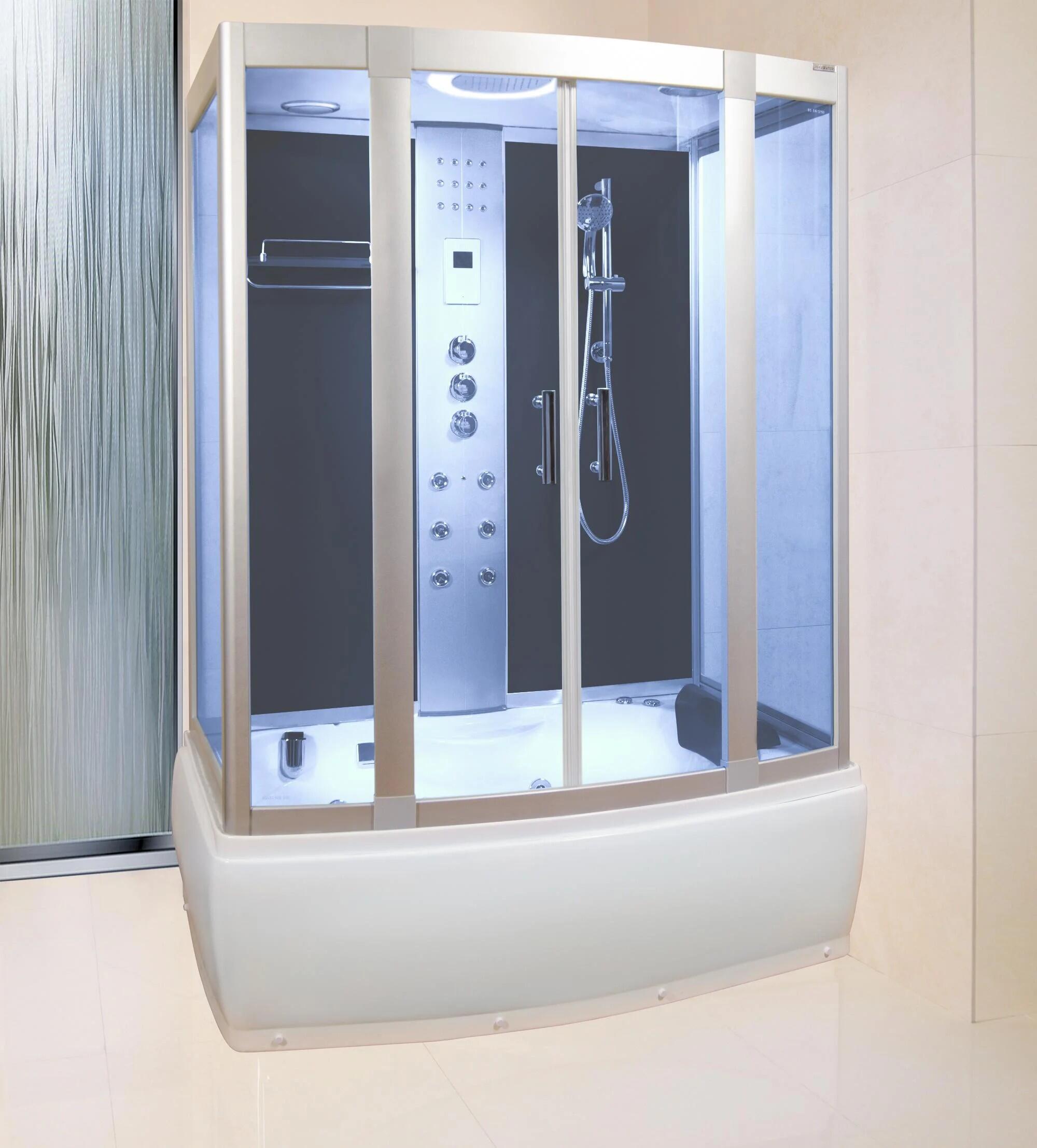 Not quite. Baths are still brilliant for families, and they’re still a genuine pleasure if you’re someone who loves a long soak.
For spa lovers, whirlpool baths remain a favourite because they keep the ritual — but add that extra “home spa” edge.
- What this means for you:
- You don’t have to choose trends over comfort
- A bath can still be the right centrepiece
- There are spa-style options that keep the soak tradition
When a steam shower makes sense
If your bath is mostly there for visual reassurance, it may be worth rethinking the layout.
Steam showers can be especially appealing if you want a contained, streamlined install. Many homeowners also compare them with shower cabins for a similar “all-in-one” feel.
- What this means for you:
- Better use of space in compact bathrooms
- A spa upgrade that suits busy schedules
- More layout flexibility during renovation
Practical considerations before you decide
A spa-style upgrade should be inspiring — and sensible. Steam brings moisture, so proper extraction and good installation matter.
Also consider electrics, water pressure, and whether a self-contained option (including shower pods in some settings) suits your property and timeline.
- What this means for you:
- Plan ventilation early to protect finishes
- Check electrics and pressure before choosing a model
- Installation-friendly formats can reduce disruption
Will a steam shower help resale value?
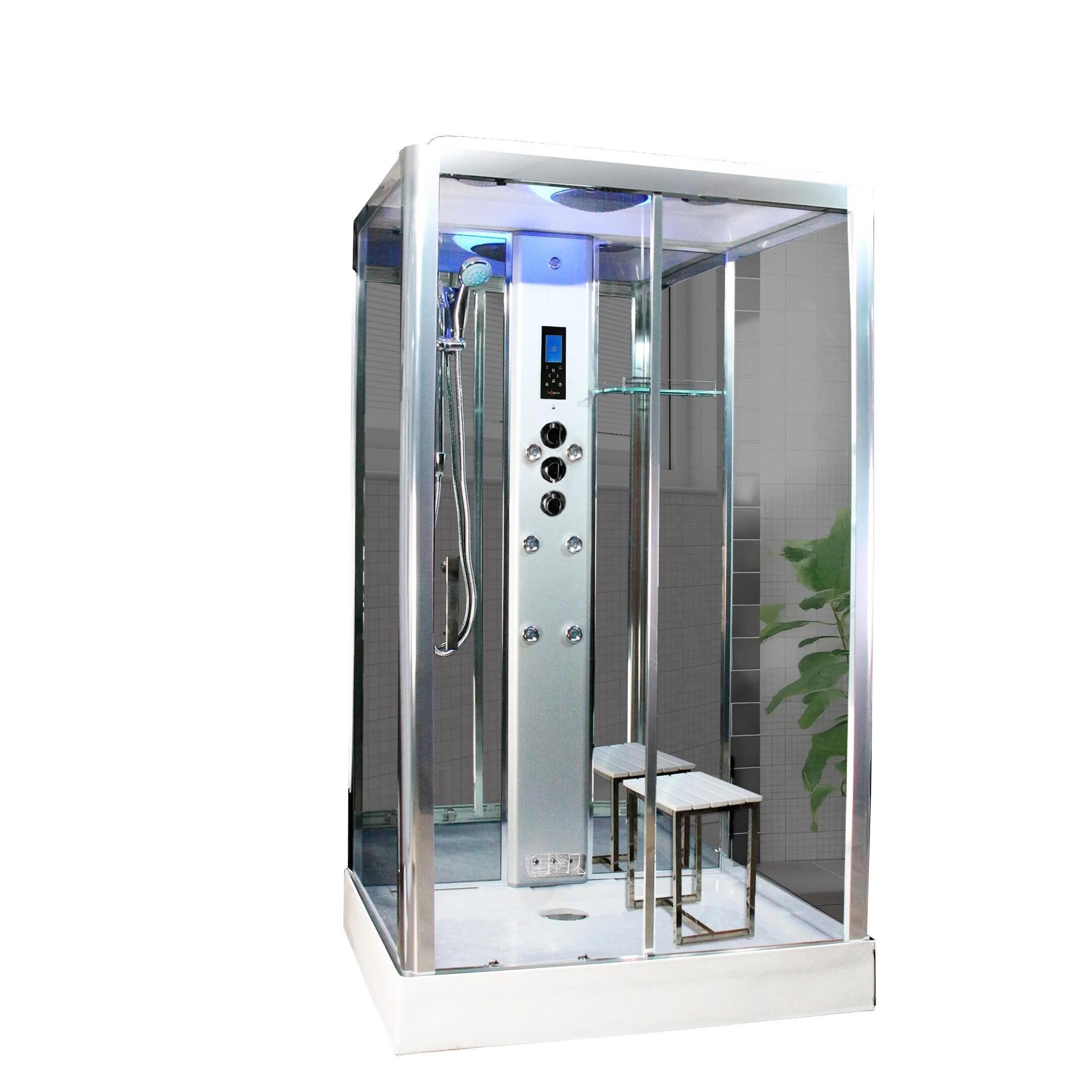 A well-designed bathroom tends to photograph well, view well, and sell well. A steam shower can help your home feel modern and considered.
One note: if it’s your only bath, think about buyer expectations in your area, especially if families are common in your market.
- What this means for you:
- Smart upgrades can boost buyer appeal
- Balance lifestyle choices with future flexibility
- Design decisions should suit your local market
Steam shower vs bath: a simple way to decide
Neither option is “better”. It’s lifestyle-led.
- Choose a steam shower if: you want daily spa comfort, shorter sessions, and great use of space.
- Choose a bath if: you love long soaks, have young children, or want a familiar resale-friendly setup.
- Choose both if: your layout allows a best-of-both worlds renovation.
- What this means for you:
- Pick based on real routine, not fantasy routine
- Measure properly and plan the layout early
- The “right” choice is the one you’ll actually use
Soft next step
 If you’re exploring spa-style upgrades, start by listing what you want your bathroom to do: wake you up, calm you down, save space, or all three.
You can browse JT Spas ranges like steam showers, shower cabins, whirlpool baths, and even hot tubs for the garden when you’re ready to explore options — no pressure, just inspiration.
- What this means for you:
- Define your priorities before choosing products
- Use categories to narrow down what fits your space
- Small upgrades can make daily life feel better
FAQs
Are steam showers expensive to run in the UK?
Steam showers use electricity to generate steam, but sessions are often shorter than running a bath. Costs vary by tariff, how long you steam, and how well the unit holds heat. Used sensibly, many homeowners find it a manageable everyday luxury rather than a big ongoing cost.
Do I need special ventilation for a steam shower?
Yes — good extraction matters. Steam showers are designed to contain steam inside the enclosure, but your bathroom still needs proper ventilation for residual humidity. A suitable extractor fan, correct installation, and routine airing help protect paintwork, grout, and ceilings over time.
Can a steam shower fit in a typical UK bathroom?
Often, yes. Many steam shower enclosures come in compact sizes suited to British homes, including quadrant and corner options. Measure carefully, plan for electrics and extraction, and check entry space. A steam shower can be a smart swap where a bath isn’t being used.
Is a steam shower better than a bath for resale value?
It depends on your local market. Bathroom upgrades usually help, but removing the only bath can concern some buyers, especially families. If resale is a priority, consider whether there’s another bath in the home or choose a layout that still feels practical for a broad range of buyers.
What’s the difference between a steam shower and a shower cabin?
A steam shower is designed to seal in steam and includes a steam function. A shower cabin is a self-contained enclosure that may include rainfall heads and body jets but doesn’t always include steam. Both can feel spa-like; the best choice depends on routine, budget, and how much steam you want.